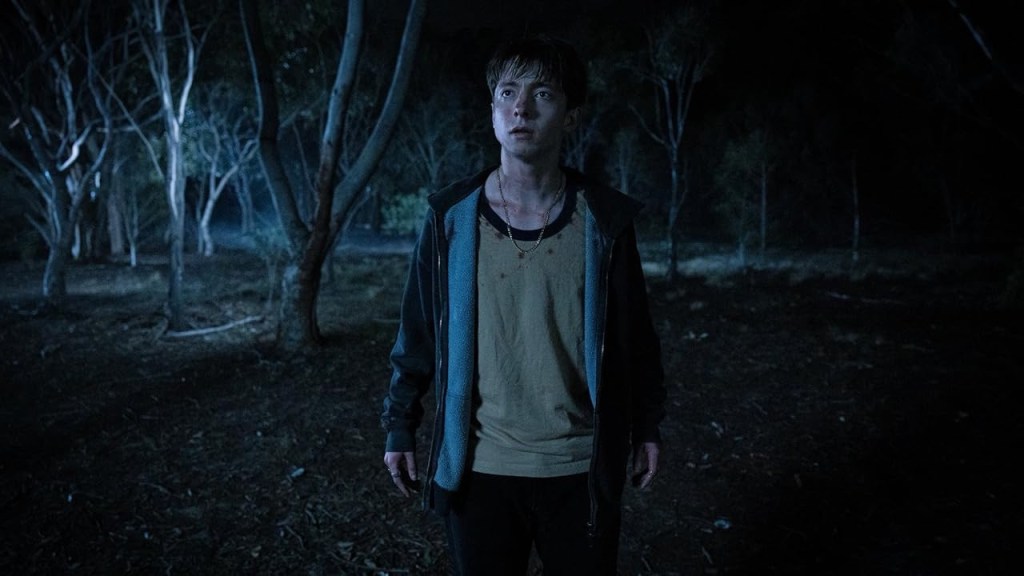
As horror continues to evolve beyond traditional scares, few upcoming releases have generated as much curiosity as Leviticus, the supernatural horror drama from Australian filmmaker Adrian Chiarella.
Following its premiere at Sundance and ahead of its wider theatrical release, Leviticus has quietly become one of the most discussed genre films of the year. Produced by Causeway Films, the studio behind acclaimed horror hits Talk to Me and Bring Her Back, the film blends supernatural terror with an emotionally charged coming-of-age story.
At its core, Leviticus follows two teenage boys, Naim and Ryan, whose lives become intertwined with a terrifying supernatural force after a church ceremony. But unlike many horror films that rely solely on monsters and jump scares, Leviticus uses its central entity as a reflection of fear, identity, desire, and repression.
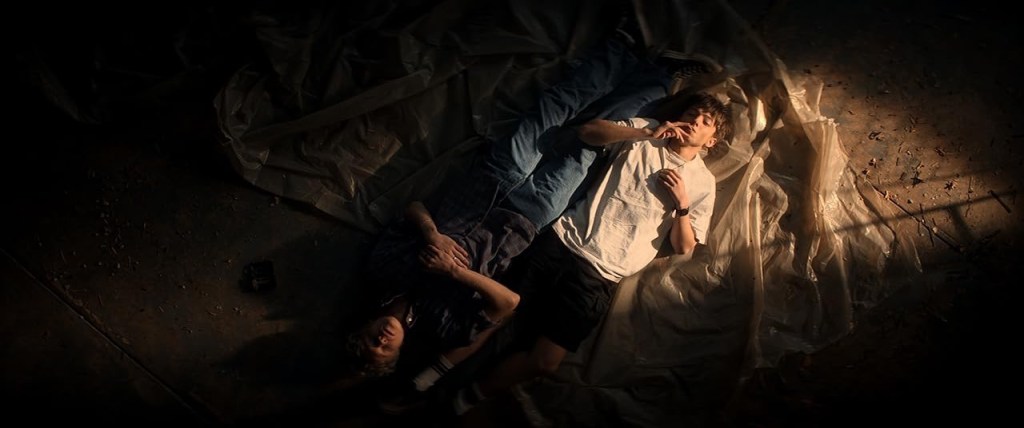
The film stars Joe Bird and Stacy Clausen in the lead roles, with audiences and critics already praising the performances for bringing authenticity and emotional weight to an ambitious story.
What has made Leviticus stand out isn’t just its premise, it’s the response it has generated from early viewers.
Across review platforms and social media, audiences have praised the film’s blend of horror and humanity. Many viewers have highlighted its emotional depth, calling it a coming-of-age story that happens to wear the skin of a supernatural horror film. Others have compared its themes to genre favorites like It Follows, noting how the film transforms personal fears into something terrifyingly tangible.
Several early reviews have specifically praised the chemistry between the two leads, while others have pointed to the film’s ability to tackle themes of sexuality, faith, and self-acceptance without losing sight of its horror roots.
The enthusiasm surrounding the film has only continued to grow as more audiences discover it. While reactions vary, as they do with any ambitious genre film, the conversation itself speaks volumes. Horror fans are debating its themes, discussing its ending, and sharing their interpretations online, the kind of engagement many filmmakers hope to inspire.
For Chiarella, Leviticus represents an impressive feature-length breakthrough. For Causeway Films, it continues a growing reputation for supporting bold, distinctive voices in genre filmmaking.
At a time when horror is increasingly being used as a vehicle for personal storytelling, Leviticus feels like the latest example of the genre’s evolution. It’s frightening, emotional, and deeply human, a combination that has helped it resonate with audiences far beyond traditional horror circles.
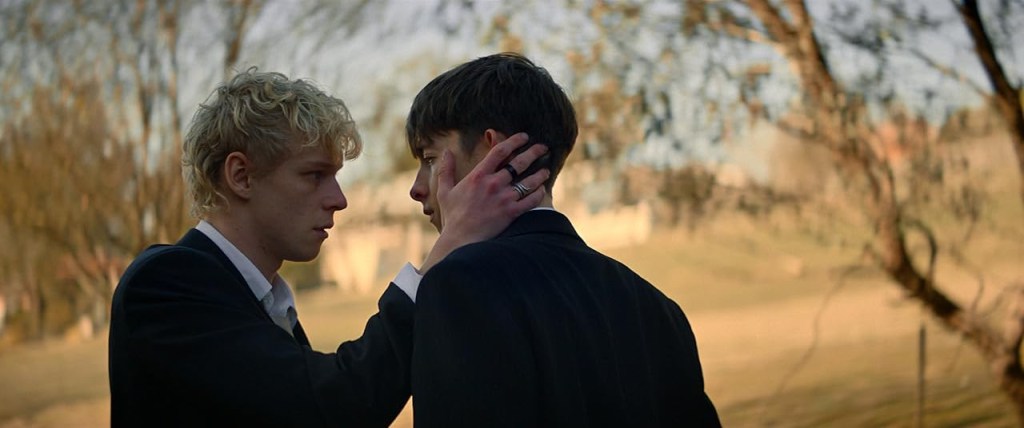
Whether Leviticus becomes a breakout hit remains to be seen, but one thing is already clear: it’s one of the films people can’t stop talking about.


Leave a Reply